
In the context of the transfer of real estate in Spain, the calculation of capital gains can be a
complex process. An essential element lies in the correct classification of expenses related to
the property, differentiating between those that constitute “repairs” and those that are
categorized as “improvements.” This distinction is crucial, as it has a direct impact on the
determination of the tax base and can avoid possible revisions or future requirements by the
Tax Agency.
According to the Resolution of March 1st, 2013, of the Institute of Accounting and Auditing,
“improvement” is understood to be the set of activities by which an alteration is produced in
an element of the fixed assets, increasing its previous productive efficiency, either by
lengthening its useful life.
On the other hand, according to the jurisprudence of the Supreme Court, in general,
conservation or repair expenses are those whose purpose is to maintain the property in
normal conditions of use, to avoid damage to it or to repair any damage that has occurred,
provided that they do not cause a modification of the structure or habitable surface of the
property and are intended to maintain the useful life of the property and its productive or use
capacity.
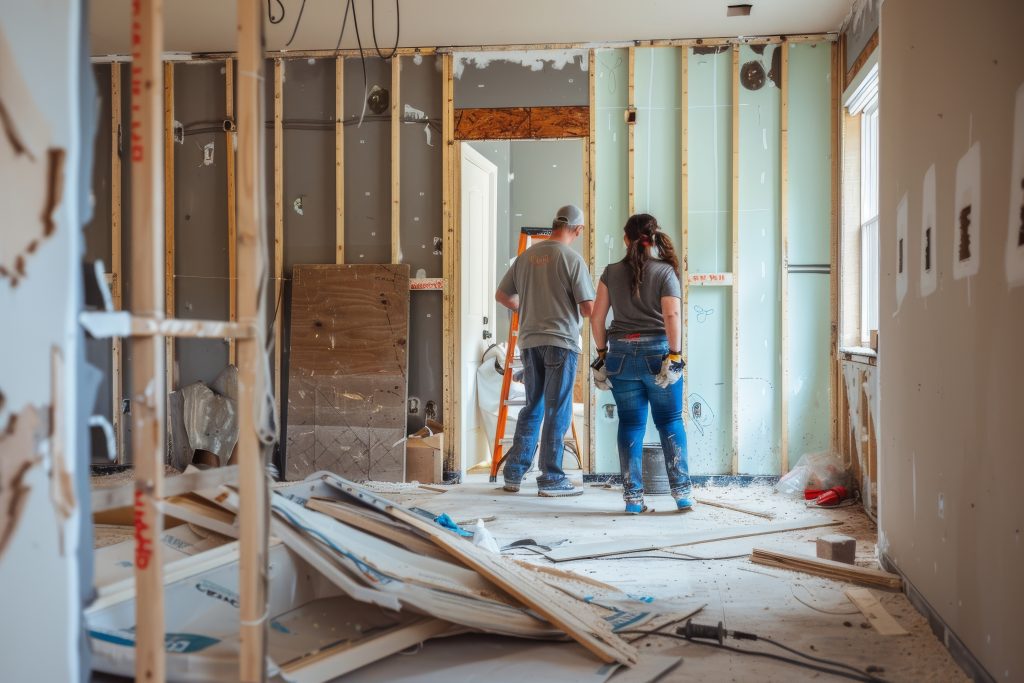
It is worth noting that there are many cases in which the Tax Agency considers the existence of
repairs and conservation, rather than improvements and investments:
– Replacement of flooring, lining, scraping or painting of ceilings and walls.
– Complete remodeling of bathrooms and kitchen.
– New electrical and plumbing installation, and changes to taps.
– Replacement of old flooring, windows and air conditioning machines.
– Repair of the sewage system, roof and walls, and installation of beams.
– Renovation of aluminum and woodwork on doors and windows, as well as
waterproofing work.
– Pipe and tiling sanitation, damp and cracks, as they are essential to maintain the useful
life of the property.
In order to justify the disbursements made to the Tax Agency, it is essential to keep the
following detailed documentation for at least four years:
– Complete invoices
– Proof of payment
– Contracts or quotes for the works
– Licenses and permits
– Energy or technical certificates
– Before and after photographs
– Valuation reports
However, at MDG Advisors we are at your disposal for the analysis, preparation and
presentation of your capital gains to avoid possible sanctions.
Lucía Luengo Aguado