
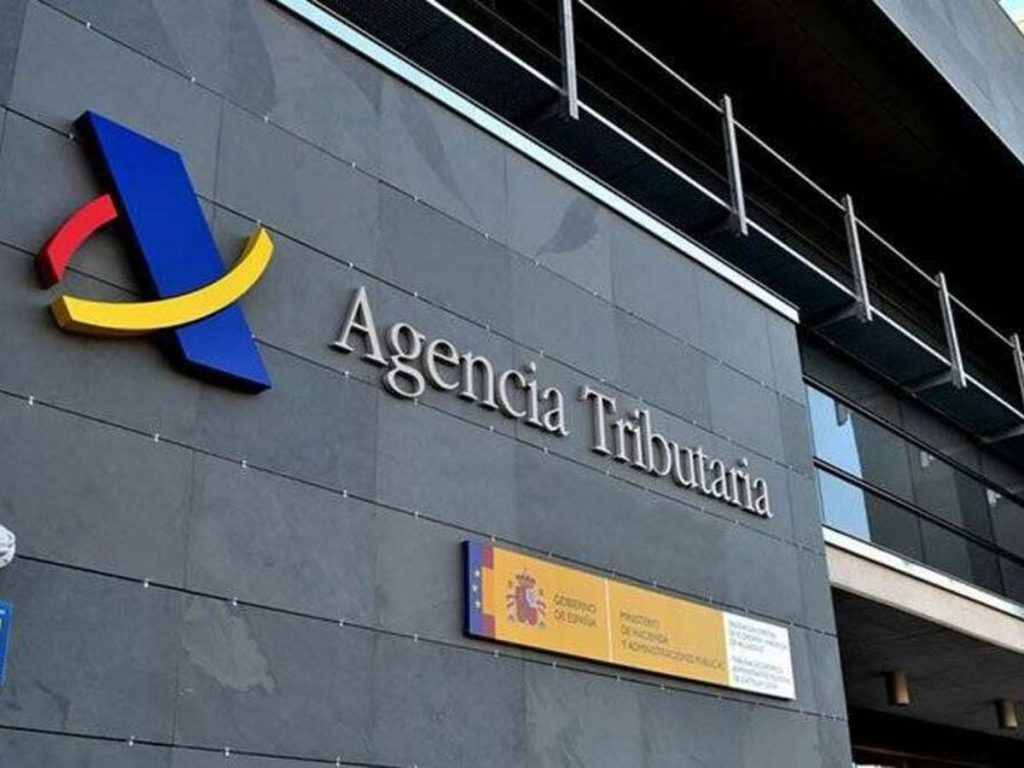
In recent years, society has perceived a tightening of the Spanish Public Treasury’s collection policies. This change stems, in part, from the government’s need to balance public accounts following the economic challenges posed by the pandemic and the energy crisis.
One of the most notable trends in tax inspections is the use of big data tools and artificial intelligence to identify potential tax irregularities. These technologies allow the Tax Agency to detect behavioral patterns that might indicate fraud, leading to increased efficiency in inspections.
Additionally, there has been a greater focus on taxpayers showing external signs of wealth that don’t align with their tax declarations. These inspections aim to identify cases where a person’s lifestyle does not correspond to their declared income and assets, such as high-value homes, luxury cars, trips, or stays at exclusive locations.
To this end, social media platforms like Instagram have started to be monitored—an innovative approach that is helping to detect discrepancies and potential cases of tax fraud, leveraging the unintended transparency social networks generate.
Moreover, there has been intensified scrutiny over transactions carried out via Bizum, with the goal of ensuring that these electronic transfers are not used to conceal undeclared income or facilitate operations outside the fiscal radar.
Adapt or perish is not just a challenge for private companies, but also for public institutions, and the Public Treasury is no exception. Therefore, it may not be about a more aggressive Public Treasury, but rather about an institution trying to adapt to a constantly changing environment.
Isabel María Díaz Rubio